
Mobile app promotion means working in two channels at once: inside the stores (ASO, App Store Optimization) and in regular web search (SEO for the app’s landing page). ASO lifts the app in App Store and Google Play results and increases installs, while SEO brings organic traffic from Google to the app’s page. Lasting results come from combining both approaches, backed by backlinks to the landing page and to the store listing.
Key points in 30 seconds
- ASO ≠ SEO: ASO works inside app stores, SEO in web search; the ranking signals are different.
- The main ASO factors: listing title and keywords, icon and screenshots, rating and reviews, install velocity and retention.
- The app landing page is an underrated channel: it ranks in Google for branded and topical queries and feeds store traffic.
- Backlinks to the landing page speed up indexing, build trust and indirectly affect rankings.
- The niche is highly competitive (HIGH), so it takes systematic work, not one-off fixes.
What ASO is and how it differs from SEO
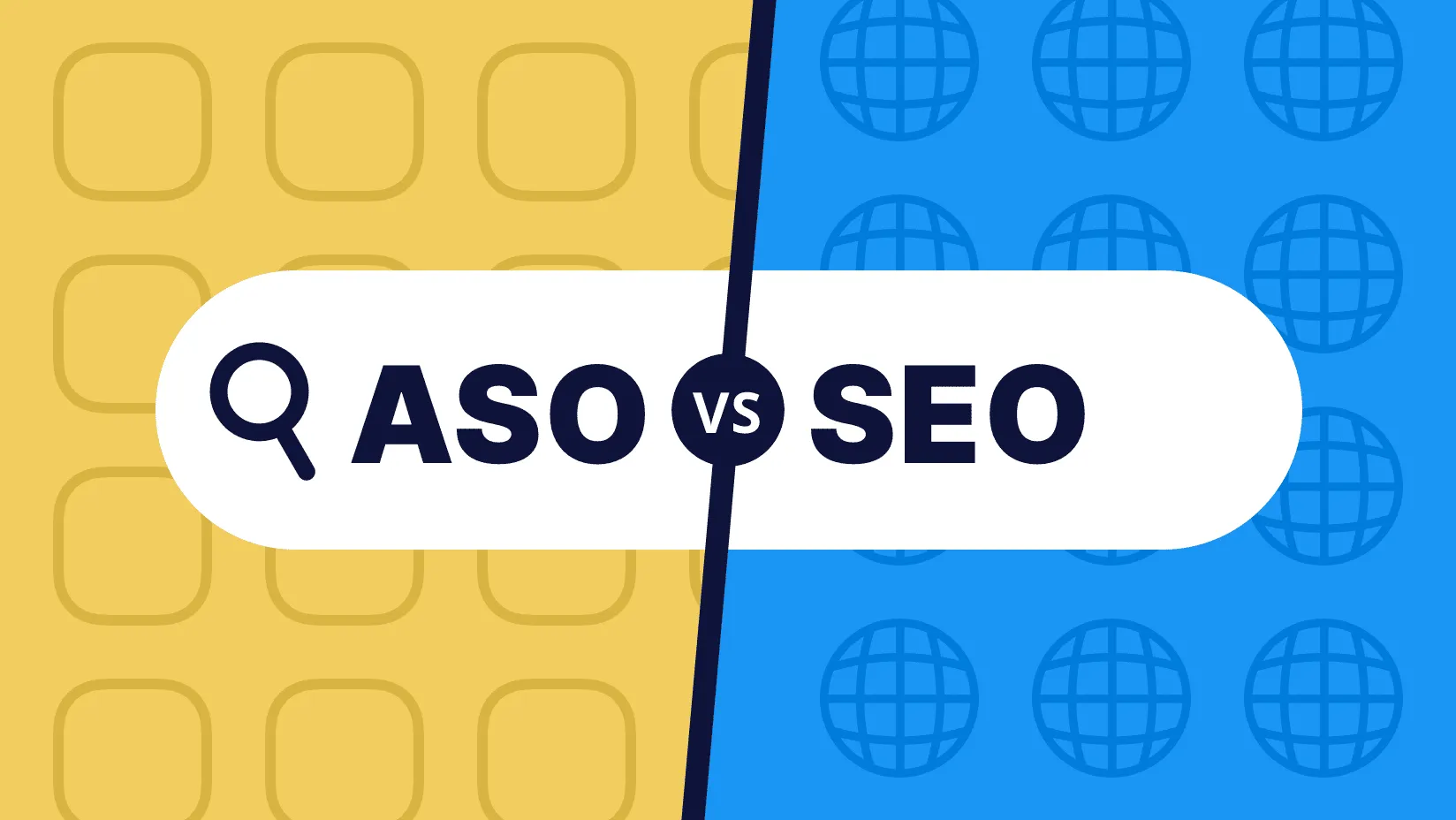
ASO (App Store Optimization) is the optimization of an app’s page in the App Store and Google Play so it shows up more often for relevant queries and gets more installs. SEO (Search Engine Optimization) is the optimization of web pages for search engines like Google and Yandex.
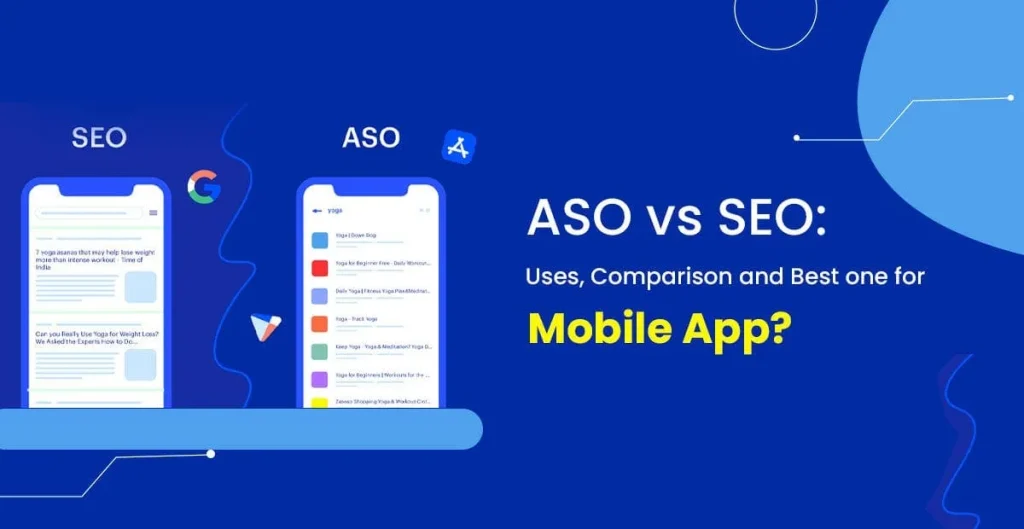
The difference lies in the environment and the signals. SEO ranks sites by content, technical health and link profile. ASO ranks apps by how relevant the listing is to the query and by user behavior: how many people installed the app after seeing it, how fast installs are growing, what the rating and reviews are, and how often the app gets uninstalled. Put simply, in SEO you compete for a click to your site, in ASO for an install.
The channels don’t compete; they complement each other. How off-page promotion works in general and why links affect trust is covered in detail in the article What Is Link Building; it will come in handy if you’re just building your strategy.
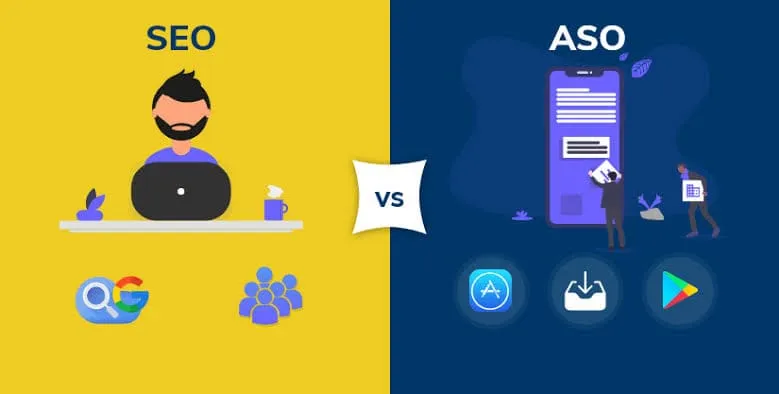
ASO vs SEO: a comparison table
| Parameter | ASO | SEO |
| Where it works | App Store / Google Play | Web search: Google, Yandex |
| What we optimize | The app listing | The landing page and site pages |
| Key signals | Title, keywords, reviews, installs, retention | Content, technical SEO, link profile |
| Goal | App installs | Visit to the site → install |
| Role of links | Indirect (traffic, trust) | Direct (affects rankings) |
ASO factors: what to optimize in the store
Text optimization. The title and subtitle, the keyword field in the App Store, and the description in Google Play, where the description text is indexed. Keywords are researched the same way as for a website, but for the store’s language and region.
Visuals and conversion. The icon, screenshots and preview video determine whether someone installs the app after seeing it. A high CTR and install conversion rate are a strong signal for the algorithm.
Behavioral signals. Install velocity, retention, number of opens and uninstalls. A sharp organic rise in installs works as a behavioral boost.
Rating and reviews. The average rating and fresh reviews affect both rankings and the conversion from impression to install. Managing reviews is a mandatory part of ASO.
Localization. Translating the listing for each market expands your reach many times over. For the Ukrainian and Russian-speaking markets, these are separate locales.
The role of the website and the app landing page
Many people reduce app promotion to the stores alone and lose an entire channel. An app should almost always have a landing page or a page on a website, and here’s why:
- The landing page ranks in regular Google for branded and topical queries (“app for…,” “name + download”) that don’t exist in the stores.
- You can drive ads and content to it, collect emails and run analytics without store restrictions.
- It serves as the target for backlinks; links to the listing itself are harder to place and pass less SEO weight.
- A landing page is a convenient way to capture search demand: a person looks for a solution on Google, lands on the page and goes to the store via the button.
Technically, a landing page is optimized like any website: keywords, meta tags, speed, mobile version. If the app has a full website (for example, a SaaS with a web version), classic SEO comes into play in full.
Link building for apps: links to the landing page and the listing
In app promotion, backlinks do three jobs: they speed up landing page indexing, raise its authority in Google’s eyes and bring targeted referral traffic, part of which converts into installs.
Where and how to place links:
- To the app landing page: reviews, app roundups, topical articles, guest posts, directories. This is classic SEO link building.
- In discussions and on forums: crowd marketing. Genuine app recommendations bring both traffic and natural mentions. How to do it so the links don’t get deleted is covered in the article How to Place Links on Forums.
- Through reviews and brand mentions: some of them turn into links to the landing page.
Crowd links are especially natural for apps: people really do ask in threads “which app would you recommend for…,” and a relevant recommendation looks natural. What this format is and when it works is covered in What Is Crowd Marketing.
If you need to build backlinks to your app’s landing page systematically, that’s a job for link building services: donor selection, safe anchors and velocity control. To add targeted buzz in forum discussions, use crowd links.
Where to start: a short plan
- Research keywords for the store and the landing page separately: queries in the store and on the web differ.
- Optimize the listing: title, keywords, icon, screenshots, localization.
- Build or improve the landing page for SEO.
- Set up ongoing work with reviews and ratings.
- Start building links to the landing page and crowd mentions.
- Track installs, keyword rankings in the store and the landing page’s organic traffic.
App promotion pays off when store optimization is backed by a strong landing page and a steady flow of links. If you want to build a link strategy for your landing page and niche, discuss your project with our team, and we will work out a plan based on how competitive your category is. Prices are approximate and depend on the niche, volume and competition. We will calculate the exact cost for your project.